Men's Style Finds - Premium Banner
Showing posts with label AI Toolbox. Show all posts

Wednesday, December 3, 2025

AI-Powered Web and App Builders: Simplify Your Digital Presence


Are you tired of struggling to establish a digital presence for your business? Creating a website or application can be a daunting task. But, with artificial intelligence technology, building a digital presence is now easier than ever.


Hostinger says an AI website builder uses artificial intelligence to make a custom site from scratch. This means businesses can now make professional-looking websites and apps without needing to know how to code.

Key Takeaways

  • AI-powered builders simplify the process of creating a digital presence.
  • Artificial intelligence technology generates custom websites and applications.
  • Businesses can establish a professional online presence without coding knowledge.
  • AI website builders provide a user-friendly and efficient solution.
  • Custom sites can be created from scratch using AI technology.

The Digital Presence Imperative in Today's Business Landscape

In today's digital world, having a strong online presence is essential for businesses. It has changed how companies talk to customers, show off their products, and build their brand.

Why Every Business Needs a Strong Online Presence

A solid online presence helps businesses reach more people, grow their brand, and sell more. It lets them compete globally, offering automated website creation and better customer interaction.

  • Enhanced visibility and reach
  • Improved customer engagement
  • Competitive advantage in the market

Traditional Barriers to Website and App Development

Many businesses face challenges in getting a professional online presence.

Technical Skill Requirements

One big hurdle is needing technical skills for web and app making. Finding people with machine learning software development skills can be hard.

Cost and Time Constraints

Also, making a website or app can be too expensive and take too long. This stops many businesses from going online.

https://www.youtube.com/watch?v=69tUaP4klV0

Squarespace shows how AI can help. "Blueprint AI generates high-quality, personalized image, copy, and design suggestions," making digital presence easier.

What Are AI Web and App Builders?

AI-powered web and app builders are changing the digital world. They are making it easier for businesses and people to create their online spaces.

The Evolution from Traditional to AI-Powered Builders

Before, making websites and apps needed lots of coding skills and resources. But now, AI tools let users make professional sites and apps without coding.

GoDaddy's AI website builder is a great example. It offers AI-driven analytics, SEO help, and easy setup. This marks a big shift towards easier digital creation tools.

Core Technologies Powering These Tools

The heart of AI app builders is their core tech. This includes:

  • Machine Learning Algorithms: These algorithms learn from user actions and get better over time.
  • Natural Language Processing: It lets users describe what they need in simple words, and the AI makes it happen.
  • Computer Vision for Design: It creates designs that look good based on what the user inputs.

Machine Learning Algorithms

Machine learning is key to AI web design tools. It helps them get better with user feedback and behavior.

Natural Language Processing

NLP makes using these tools easier. Users can just say what they need, making it simpler.

Computer Vision for Design

Computer vision is important for design. It ensures the final product looks good and works well.

TechnologyFunctionBenefit
Machine LearningImproves over time based on user interactionsEnhanced user experience
Natural Language ProcessingInterprets user requirementsEase of use
Computer VisionGenerates visually appealing designsProfessional-looking results
AI web design tools

AI web and app builders are making it simpler for businesses to have a strong online presence. As these tools get better, we'll see even more advanced features.

The Revolutionary Benefits of AI-Powered Digital Creation

AI is changing how we create digital content, making it easier for businesses of all sizes. It's not just about making things simpler. It's about letting businesses create top-notch digital spaces without needing to be tech experts.

Democratizing Web Development

AI is making web development open to everyone. Tools like Hostinger's AI website builder let businesses make websites fast and easy. No tech skills or coding needed. This means small businesses and startups can now compete with big companies.

Speed and Efficiency Advantages

AI platforms can make websites and apps way faster than old methods. They automate everything from design to launch. This means businesses can get online quickly, meeting market needs fast.

Cost-Effectiveness for Businesses of All Sizes

AI-powered creation is also very affordable. It cuts down on the need for coding and speeds up development. This makes it easier for businesses to get online without spending a lot.

Design Quality and Consistency

AI builders not only speed up development but also ensure great design. They use smart algorithms to create designs that look good and work well. These designs meet the specific needs of each business.

BenefitDescriptionImpact on Businesses
DemocratizationMakes web development accessible to allEmpowers small businesses and startups
Speed & EfficiencyAutomates development processesRapid deployment and response to market demands
Cost-EffectivenessReduces development time and costLowers barriers to entry for new businesses
Design QualityEnsures high-quality, consistent designsEnhances professional online presence

How AI Web and App Builders Transform the Creation Process

Machine-driven app creation is now common thanks to AI web and app builders. These tools change the digital creation process. They make it faster, more efficient, and open to all businesses.

From User Requirements to Functional Products

AI web and app builders make development easier. They guide users from start to finish. For example, Squarespace's Blueprint AI turns your choices into a beautiful website.


The Role of AI in Design Decisions

AI helps in making design choices. It looks at what users like, trends, and best practices. This makes the product look good and work well for users.

"AI-driven design decisions are not just about aesthetics; they're about creating a seamless user experience that drives engagement and conversion."

Automated Testing and Optimization

AI web and app builders test and optimize automatically. This makes sure the product works well and looks good on all devices. It improves the product's quality and user experience.

Automating testing saves time and money. It lets businesses launch their products quickly and effectively.

Top AI Web and App Builders in 2023

In 2023, AI has changed web and app making. Now, it's easier for businesses and people to create their online space. These tools are making digital creation faster and simpler.

Website Creation Platforms

AI website builders let you make professional sites easily. You don't need to know how to code. Here are some top ones:

  • Wix ADI and Editor X: Wix ADI makes sites based on your answers. Editor X is for pros who want more design options.
  • Squarespace AI Tools: Squarespace uses AI to help you make beautiful sites. Its tools guide you in design and layout.
AI Web Builders

Mobile App Development Solutions

AI is making app making easier, even for those who aren't developers. Here are some notable tools:

  • Bubble.io: Bubble.io lets you build web apps without coding, thanks to AI.
  • AppGyver: AppGyver uses AI to make app making simple. It has a visual environment for development.

Enterprise-Grade AI Development Platforms

Big businesses need advanced AI platforms. These offer features for large-scale projects.

Look for these in enterprise platforms:

  • Advanced customization
  • Integration with other systems
  • Scalability for big traffic and data

For example, GoDaddy's AI builder has cool features. It has AI analytics, SEO help, and easy setup. It's great for businesses wanting a strong online presence.

Essential Features to Look for in AI Builders

Choosing the right AI-powered web and app builder is key. Look for features that make your digital creation easy and flexible. The best AI builder balances functionality, ease of use, and flexibility for your needs.

Customization Capabilities

A top AI builder lets you customize to fit your brand. You can change layouts, colors, and content. For example, Hostinger's AI website builder has tools like AI Writer and AI SEO Assistant for better customization.

Integration with Third-Party Services

Being able to connect with other services is important. Choose an AI builder that works with popular tools. This boosts your product's features and user experience.

Responsive Design and Cross-Platform Compatibility

Your digital product needs to work on all devices. A good AI builder makes sure it looks great on any screen. This ensures a smooth user experience.

Analytics and Performance Monitoring

To see how your product is doing, you need analytics tools. AI builders with built-in analytics or easy integration help you track and improve your product.

Ongoing Support and Learning Resources

Good support and learning resources are crucial. Look for AI builders with detailed guides, quick customer support, and active forums. These resources make building your product easier and help solve problems.

FeatureDescriptionImportance Level
CustomizationAbility to personalize the digital productHigh
Third-Party IntegrationSupport for integrating external servicesHigh
Responsive DesignCompatibility across different devices and screen sizesHigh
AnalyticsTools for tracking performance and user behaviorMedium
Ongoing SupportAvailability of help and learning resourcesHigh

Real-World Success Stories with AI Web and App Builders

The rise of intelligent app builders and automated web development platforms has changed how businesses create their online presence. These tools make it easier for businesses of all sizes to build professional and appealing digital products.

Small Business Transformations

Small businesses have used AI web and app builders to improve their online image. For example, a local store built an e-commerce site with AI, boosting online sales. The AI-driven design suggestions made the site more engaging for customers.

Startup Launch Accelerations

Startups have also benefited from AI web and app builders. They can quickly create a professional online presence, speeding up their launch. A tech startup, for instance, built a prototype in weeks with an AI-powered app builder, speeding up their testing and funding process.

Enterprise Digital Transformation Cases

Large enterprises have also seen the benefits of AI web and app builders. They use these tools to update their digital systems, enhancing user experience and efficiency. For example, a global bank updated its mobile app with AI, adding better security and a simpler interface.

Lessons Learned from Implementation

Success stories with AI web and app builders offer important lessons. Businesses have found that customization and integration capabilities are key to getting the most out of these tools. Also, ongoing support and learning resources are vital for keeping digital products up-to-date with business needs.

Looking at these success stories, it's clear that AI web and app builders are changing the digital world. As these technologies improve, we can expect to see even more innovative uses and big changes in many industries.

The Future Landscape of AI in Digital Creation

The future of digital presence is changing fast thanks to AI. AI tools are making web and app development easier and more intuitive.

Emerging Trends in AI Development Tools

Smart application development is getting better. Now, businesses can make complex apps with little coding. AI tools are getting smarter and can handle tough tasks.

Machine-driven app creation is also on the rise. AI can make apps based on what users need. This makes apps faster and cheaper to make.

Potential Impact on Traditional Web Development

AI tools are changing web development. AI will do routine tasks, freeing up humans for creative work. This could change how we develop websites and apps.

Preparing for the Next Generation of AI Builders

Businesses need to get ready for AI builders. They should train employees and keep up with AI trends. GoDaddy's AI website builder is great for small businesses.

By using AI tools, businesses can make their digital presence better. It will be more efficient and cost-effective, meeting their needs.

Conclusion: Embracing AI to Elevate Your Digital Presence

Businesses are facing a changing digital world. AI web and app builders are changing the game. They use artificial intelligence to make creating a strong online presence easier.

Hostinger's AI website builder is a great example. It removes old barriers like time, cost, and technical issues. This lets businesses of all sizes build a strong online presence.

AI is getting better, and its role in digital creation will grow. Using AI-powered tools, businesses can stay ahead. They can create digital experiences that engage and convert users.

The future of digital creation is here, and it's powered by AI. By using AI web and app builders, businesses can improve their online presence. They can also make their operations more efficient and succeed in a competitive market.

FAQ

What are AI web and app builders, and how do they simplify digital presence?

AI web and app builders use artificial intelligence to make websites and apps. They help businesses get online easily, without needing to know a lot about tech.

How do AI-powered builders overcome traditional barriers to website and app development?

AI builders solve old problems by automating the process. They don't need technical skills, saving time and money. This lets all kinds of businesses make professional sites and apps.

What core technologies power AI web and app builders?

These builders use machine learning, natural language processing, and computer vision. Together, they help make professional sites and apps.

What are the benefits of using AI-powered digital creation tools?

AI tools make web development easier for everyone. They save time, money, and ensure designs are consistent. This means businesses can make great sites and apps without needing to be tech experts.

How do AI web and app builders transform the creation process?

AI builders change the game by turning user ideas into real products. AI helps with design and testing, making the process smoother and faster.

What are some top AI web and app builders in 2023?

In 2023, top AI builders include Wix ADI and Squarespace AI Tools for websites. For mobile apps, Bubble.io and AppGyver are leaders. There are also big AI platforms for businesses.

What essential features should I look for in AI builders?

Look for customization, integration, responsive design, analytics, and support. These ensure your digital space meets your business needs.

Can AI web and app builders be used for enterprise-grade applications?

Yes, AI builders can handle big business apps. Some platforms offer advanced features for complex needs.

How can I prepare for the next generation of AI builders?

Stay updated on AI trends and be ready to adapt to new tech. This will help you stay ahead in digital presence.

What is the potential impact of AI on traditional web development?

AI could greatly change web development. It will likely make the process easier and faster. This will help businesses have a strong online presence.

Monday, December 1, 2025

AI Planning Tools Projects Tasks: The Complete Guide for 202


AI planning tools help teams organize and manage their projects and tasks more efficiently by automating routine work and offering smart scheduling options. They use artificial intelligence to prioritize tasks, allocate resources, and set reminders, which allows teams to stay focused and meet deadlines without extra stress. This makes complex project management simpler and more reliable.

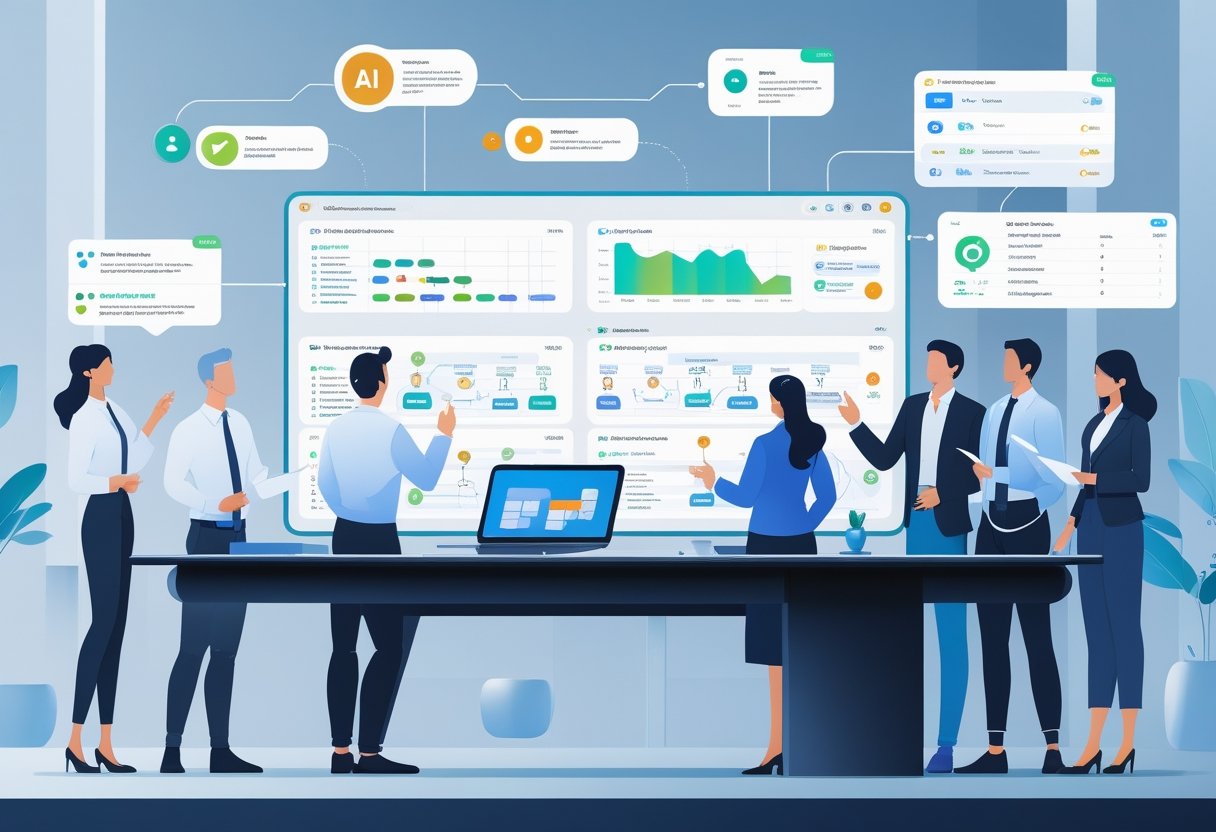
A group of professionals collaborating around a desk with digital displays showing project timelines and task management visuals.

These tools can handle many aspects of project planning, like tracking progress, predicting risks, and optimizing workloads. By making it easier to visualize dependencies and plan accordingly, AI planning tools support better decision-making and help avoid common project pitfalls.

Many platforms now combine AI with project management features to boost productivity. They assist teams in real-time collaboration and keep everyone aligned, improving the overall workflow and making projects run smoother.

Key Takeways

  • AI tools automate and prioritize tasks for better project management.
  • They help predict risks and optimize team resources.
  • Real-time collaboration improves team coordination and workflow.

Core Features of AI Planning Tools

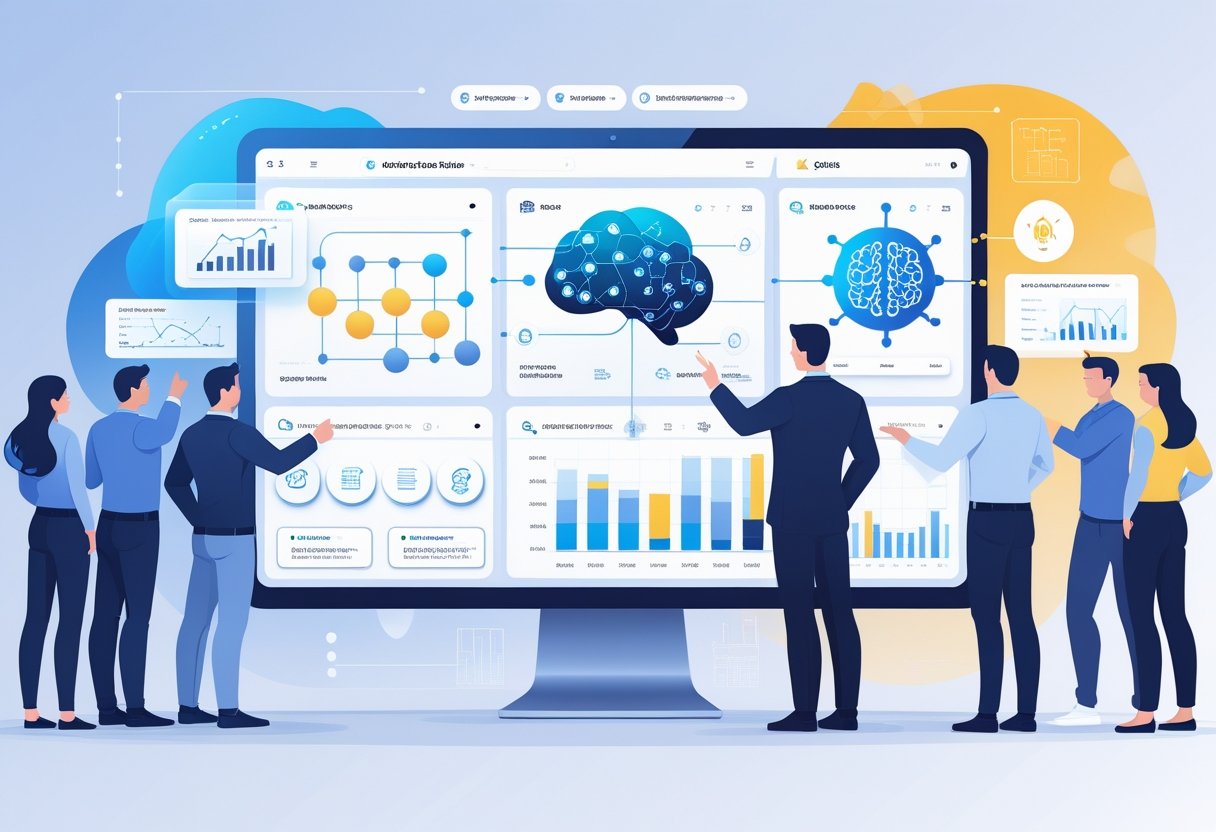
A digital dashboard showing interconnected tasks and timelines for AI project planning, with professionals collaborating around a computer screen.

AI planning tools combine several important functions that help teams organize projects, manage tasks, and automate workflows. These tools use smart technology to improve accuracy and efficiency in daily project activities. They enable better tracking and decision-making by using data in real time.

Project Planning and Task Management

AI planning tools provide structured ways to organize projects from start to finish. Users can break projects into tasks, assign deadlines, and track progress easily. These tools often include visual boards like Kanban or Gantt charts to map out timelines and dependencies clearly.

Task management features ensure every task is prioritized and assigned based on team availability and skill sets. Users get notifications about deadlines and project updates to stay on schedule. AI helps identify task bottlenecks early, allowing teams to reallocate resources quickly.

These tools support collaboration, enabling comments, file sharing, and real-time updates. This centralization reduces errors from scattered communication and manual tracking. Overall, AI planning tools create a clear framework for managing complex projects efficiently.

AI Capabilities in Modern Tools

Modern AI planning tools use machine learning and natural language processing to enhance project workflows. They analyze past project data to predict risks and identify potential delays before they happen. This predictive insight helps managers plan better and avoid surprises.

AI can suggest task priorities, automate status updates, and summarize project reports automatically. Some tools include AI assistants that respond to queries or help manage tasks via chat or voice commands.

Data-driven decision-making is another key feature, where AI analyzes large datasets to recommend optimal strategies. This reduces guesswork and supports more informed choices. AI capabilities also improve resource allocation by considering workload and skills dynamically.

Workflow Automation and Automations

Workflow automation is central to AI planning tools, removing repetitive manual tasks from project teams. Automations handle actions like scheduling meetings, sending reminders, or updating task statuses without human input.

Users can set custom triggers and rules to automate steps within project processes. For example, when a task is marked complete, the tool might automatically assign the next task or notify stakeholders.

Automation improves consistency and speeds up workflows. It also reduces human error related to manual entries or missed updates. Some AI tools integrate with communication platforms to streamline team collaboration further.

By automating routine work, teams focus more on strategic planning and problem-solving rather than administrative duties. This supports higher productivity and better project outcomes.

Managing Projects and Tasks With AI

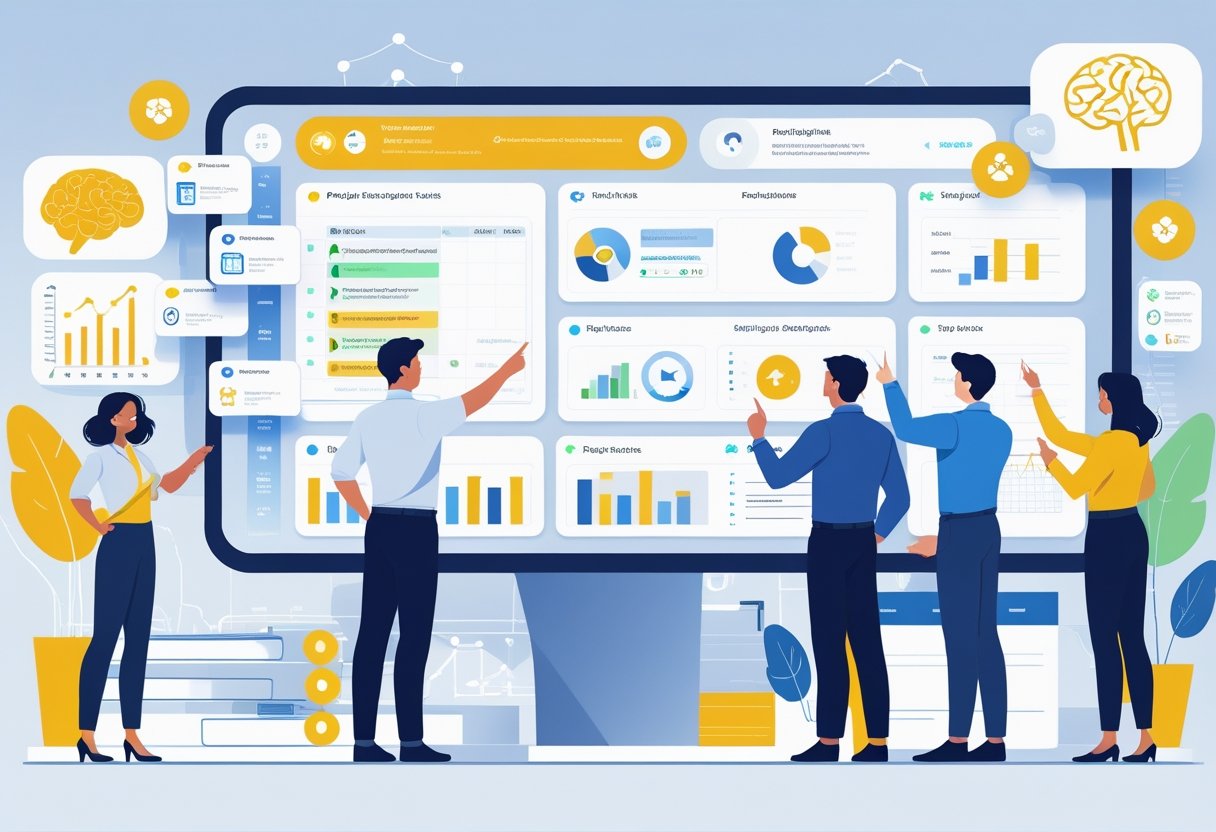
A group of professionals collaborating around a large digital display with project timelines and AI-generated data visualizations in a modern office.

AI enhances how teams plan and execute projects by automating scheduling, assigning tasks, managing resources, and tracking progress. It helps maintain clear project timelines, balances workloads based on team capacity, and improves project visibility. These tools reduce manual work and support better decision-making.

Project Scheduling and Timelines

AI-powered project scheduling tools analyze deadlines, task dependencies, and team availability to create accurate project timelines. They automatically adjust schedules when changes occur, like delays or added tasks, minimizing the risk of missed deadlines.

These tools also prioritize tasks based on urgency and resource availability, helping teams focus on what matters most. By integrating calendars and timelines, AI tools offer a clear visual overview of the project’s flow, enabling managers to foresee bottlenecks early and reallocate tasks quickly.

Automated reminders and updates keep the entire team aligned with real-time schedule changes, ensuring consistent progress.

Task Assignment and Tracking

AI streamlines the process of assigning tasks by analyzing each team member’s skills, current workload, and availability. It creates optimized task lists that improve efficiency and reduce bottlenecks.

Tracking tools powered by AI monitor task completion statuses continuously. They provide alerts on overdue or at-risk tasks, keeping project managers informed without constant manual checks.

AI can generate summaries of task updates, helping teams stay focused without reading through numerous messages. It also assists in writing clear, concise task descriptions and status reports, reducing communication errors.

Resource and Workload Management

Effective resource management relies on AI to match team capacity with project demands. AI tools predict workload distribution by evaluating task complexity and team availability, preventing burnout and underuse.

They enable managers to balance work by reallocating resources when schedules shift or projects expand. AI also supports budget control by linking resource use to costs, helping avoid overspending.

With real-time dashboards, project visibility improves, making it easier to track who is working on what and forecast future resource needs.

Milestones and Progress Tracking

AI-driven progress tracking creates automated reports on milestones and key deliverables. It compares actual performance against planned schedules to highlight any delays.

These tools generate clear visual summaries that show completed tasks, upcoming deadlines, and remaining work. This improves stakeholder communication and helps prioritize critical milestones.

AI also identifies risks early by analyzing project trends and patterns, enabling proactive management. Continuous updates and detailed recaps give teams the insights needed to stay aligned and meet goals on time.

Top AI Planning Tools for Projects and Tasks


AI planning tools help teams manage tasks efficiently by automating routine work and improving visibility into project progress. These tools often include features like task prioritization, real-time updates, and smart scheduling to keep projects on track. Many also offer flexible views and reporting options to fit different workflows and organizational needs.

Overview of Leading Platforms

Several AI-powered platforms are popular for project and task management. Asana and ClickUp stand out for their automation and AI-driven suggestions that improve task prioritization. Monday.com uses AI to predict project risks and optimize timelines, while Wrike offers smart workload management and custom workflows.

Jira focuses more on software teams, combining AI with agile practices. Trello and Taskade provide user-friendly Kanban setups enhanced with AI-powered task recommendations. Platforms like Smartsheet and Forecast integrate AI with strong resource and budget tracking.

Most of these platforms support mobile apps and external integrations, enabling teams to stay connected and manage projects from anywhere.

Kanban Boards and Gantt Charts

Kanban boards remain a favorite visual tool, widely used in Trello, ClickUp, and Taskade. These boards help users track task progress through drag-and-drop cards. AI features in these tools can automatically sort tasks by priority or deadline to reduce manual organizing.

Gantt charts are crucial for timeline tracking and resource allocation. Platforms like Smartsheet, Wrike, and Monday.com offer dynamic Gantt views that update automatically as tasks change. AI in these tools can forecast delays and suggest adjustments to keep deadlines realistic.

Both Kanban and Gantt views are often enhanced with additional features like timeline views and calendar syncing, helping teams visualize workloads across time and manage overlapping tasks clearly.

Custom Dashboards and Reporting

Customizable dashboards are essential for tracking key metrics and project health. Tools like Asana, ClickUp, and Wrike provide drag-and-drop dashboards that can display task statuses, team performance, or budget use. AI can highlight risks or bottlenecks in these views.

Reporting options vary but often include real-time updates, trend analysis, and exportable reports. AI-powered analytics help uncover hidden patterns, like recurring delays or task dependencies, enabling proactive decision-making.

Platforms increasingly allow users to tailor dashboards with widgets and integrations. This flexibility supports teams of all sizes and industries in focusing on what matters most at a glance.

Collaboration and Real-Time Coordination

Successful AI planning tools for projects focus heavily on helping teams work together instantly and clearly. They provide features that allow teams to see project progress live, share updates quickly, and keep tasks organized no matter where members are located.

Real-Time Collaboration Features

AI planning tools often include real-time dashboards that show project status and task completion as they happen. This boosts project visibility for managers and team members alike, helping spot delays early.

Many tools use drag-and-drop interfaces to move tasks between stages or assign new work. This makes updating plans fast and reduces confusion. Integrated timesheets and time tracking help teams log hours directly in the system, improving accuracy and simplifying reporting.

Document sharing and live editing features allow multiple team members to work on files simultaneously. This avoids version conflicts and speeds up feedback cycles, especially in design or content-heavy projects.

Team Communication Tools

Clear, instant communication is vital in project management. AI tools include built-in chat, comment threads, and discussion boards to keep all conversations tied to specific tasks or projects.

Some platforms allow creating channels for different teams or project topics to organize dialogue better. This helps reduce email usage and keeps conversations centralized.

Notifications and alerts update team members on task changes or deadlines. While useful, managing notification overload is key for maximizing focus and minimizing distractions.

Managing Projects On the Go

Mobile apps expand AI planning tools’ reach by enabling teams to check updates, manage tasks, and communicate from anywhere. This supports remote work and quick decision-making outside the office.

On mobile, users can view real-time dashboards and adjust schedules on the fly. Time tracking and timesheet submissions are often built in, ensuring accurate records regardless of location.

Mobile usability is critical; a clean, responsive interface helps users interact with complex project data easily. This flexibility keeps teams connected and productive throughout the project lifecycle.

Frequently Asked Questions

AI tools for project management help teams organize tasks, manage resources, and track progress with greater accuracy and speed. They often include automation, real-time collaboration, and smart scheduling features.

What are the top free AI tools available for project management?

There are several free AI-powered tools that assist with project management. Microsoft Planner offers AI features for task tracking and chatbot support. Trello provides automation through Butler, which helps with task management.

Other options include ClickUp and Asana, which have free versions with AI-enhanced features like smart notifications and workflow automation. These tools help teams stay organized without a subscription fee.

How can AI enhance project planning and execution?

AI improves project planning by forecasting risks and timelines using data analysis. It automates routine tasks such as updating schedules and assigning resources, saving time.

During execution, AI provides real-time insights on project status and potential bottlenecks. It also supports better communication by offering chatbots and smart reminders to keep teams on track.

What are the key features to look for in an AI project management tool?

Important features include task automation, resource optimization, timeline prediction, and integration with other software. AI-driven analytics and reporting help teams make informed decisions.

Real-time collaboration tools and AI-powered chatbots improve communication. Ease of use and adaptability to different project types also matter.

Are there any AI project management certifications available for professionals?

Yes, professionals can pursue certifications that focus on AI in project management. Organizations like PMI offer courses covering AI tools and digital project delivery.

These certifications teach how to apply AI techniques to improve project outcomes. They often include training on AI-driven software and data analysis.

Which AI task managers offer the best features without a subscription?

Free AI task managers such as Microsoft To Do and Google Tasks provide basic AI-driven organization. They integrate well with other productivity apps.

Trello's free plan with automation and ClickUp's free tier also offer strong AI capabilities. These tools allow users to manage tasks intelligently without paying.

What has been the experience of Reddit users with AI tools for project management?

Reddit users report varied experiences. Many appreciate AI features that reduce manual work and increase efficiency. However, some mention limitations in customization and occasional inaccuracies.

Users often recommend trying several tools to find the best fit for specific needs. Community feedback emphasizes the importance of easy integration and user-friendly design.

Monday, November 24, 2025

“The Ultimate AI Toolbox: The Best Tools for Text, Images, Video, and Automation in 2025”


AI Toolbox (Tools & Reviews)

“The Ultimate AI Toolbox: The Best Tools for Text, Images, Video, and Automation in 2025”

Choosing the right AI tools can feel overwhelming, especially when new platforms appear every month with promises of speed, creativity, and automation. Your AI journey becomes much easier when you understand the categories of tools and what each one helps you accomplish. A clear AI toolbox saves time, boosts productivity, and gives you confidence in your workflow, whether you're creating content, designing visuals, building videos, or automating tasks for your business.

Text-based tools like ChatGPT, Claude, and Gemini are essential for writing, research, planning, coding, and communication. They allow you to turn ideas into polished content within seconds and solve complex analytical tasks with ease. For images, tools like Midjourney, DALL·E, and Leonardo AI offer powerful creative capabilities, transforming simple prompts into high-quality visuals, illustrations, and concept art. These platforms are especially useful for designers, marketers, and content creators who want fast, professional results.

Video tools are another game-changer. Solutions like Runway ML, Pika, and Synthesia let users generate videos, animations, and AI presenters without a studio or advanced editing skills. Meanwhile, audio tools such as ElevenLabs and Adobe Podcast can create narration, enhance recordings, and help podcasters produce studio-quality sound. Automation tools like Zapier, Make, and AI Agents integrate everything together, allowing users to build workflows that save hours every week.

The key to building an effective AI toolbox is not using everything—it is choosing the right tools for your goals. Keep 1–2 tools for writing, 1 tool for images, 1 tool for video, and 1 tool for automation. Test them, compare their results, and stick with the ones that fit your style. As AI evolves, your toolbox becomes the engine behind your projects, empowering you to work like a pro without needing technical skills. With the right tools, you’re not just using AI—you’re leveraging it to transform your digital life.